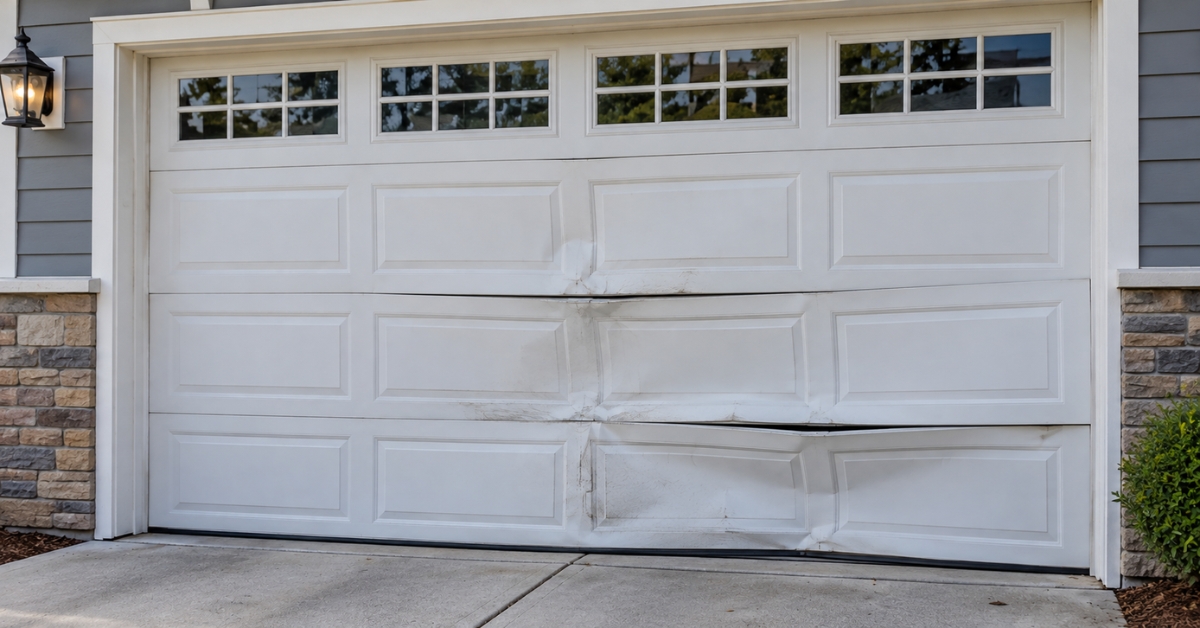
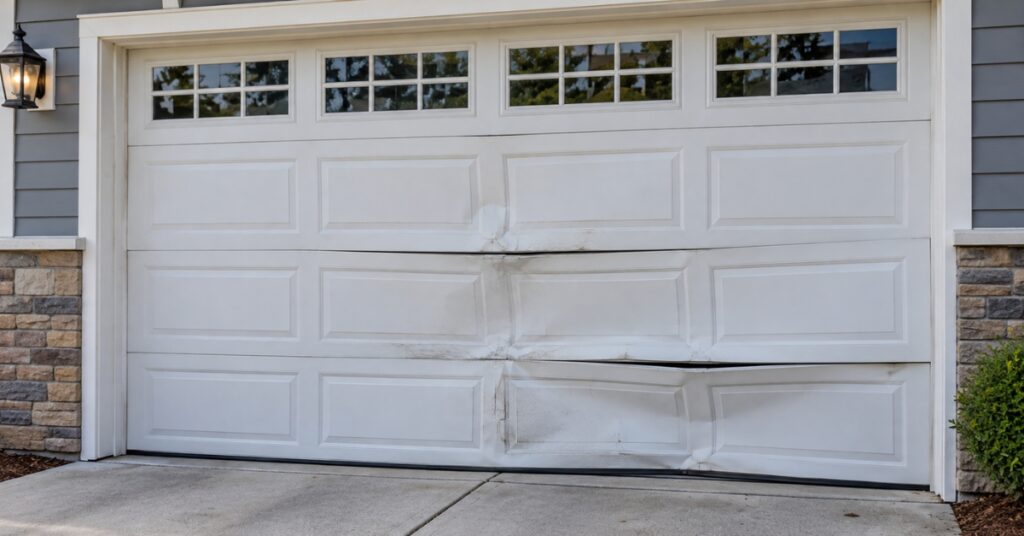
A dented, cracked, rusted, or bent garage door panel does not automatically mean the entire door needs to be replaced. In many cases, damage is limited to a single section, and addressing that section can restore the door’s appearance and function without replacing everything around it.
The challenge is determining when the problem is actually isolated. What looks like damage to one panel can sometimes affect nearby sections, tracks, hinges, or the way the door moves. Age also matters. A newer door with one damaged section presents a very different repair decision from an older door showing corrosion, wear, and problems across several panels.
When Garage Door Panel Replacement Makes Sense
A garage door is made up of multiple sections connected by hinges and other hardware. Because those sections work together, damage to one does not always compromise the entire door.
When the problem is limited to a replaceable section and the rest of the system remains in good condition, garage door panel replacement can be a practical way to address the damage.
Several factors help determine whether that approach is appropriate.
The Damage Is Confined to One Panel
A single dent from a vehicle, basketball, lawn equipment, or another impact may leave the rest of the door untouched. If the damaged panel has not pulled neighboring sections out of alignment, a technician may be able to replace only that section.
The same can apply to localized cracking or deterioration. The important distinction is whether the problem stops at the affected panel or has started influencing other parts of the door.
For example, a cosmetic dent may look significant while having little effect on operation. A smaller bend near a hinge or panel edge, however, may interfere with how sections move together. The location and type of damage matter as much as its size.
The Remaining Panels Are in Good Condition
Replacing one section makes more sense when the other panels still have plenty of usable life. They should be reasonably straight, structurally sound, and free from widespread rust, cracking, separation, or deterioration.
This is particularly important with older doors. Installing one new section in a door where the remaining panels are already deteriorating may only postpone a larger replacement project.
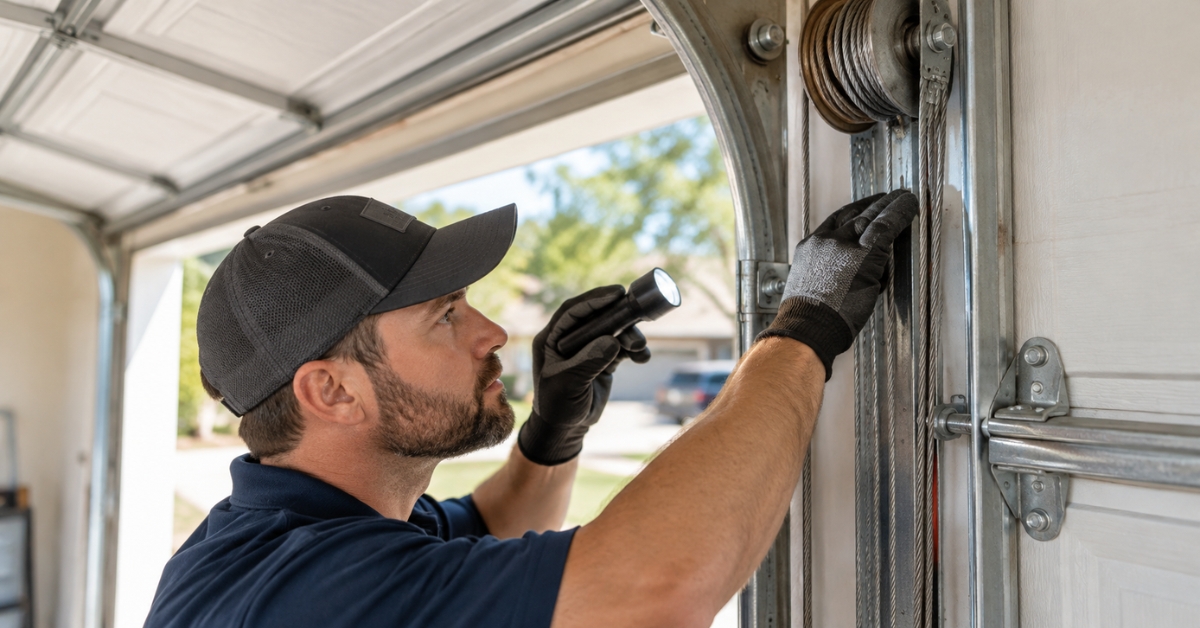
A technician can inspect the entire door rather than looking only at the most obvious damage. That broader inspection helps reveal whether a panel problem is truly isolated.
A Compatible Replacement Panel Is Available
Panel availability is another major part of the decision. Garage door designs, dimensions, colors, insulation configurations, and construction methods vary by manufacturer and model.
If the manufacturer still produces a compatible section, replacing one panel may be relatively straightforward. Matching an older or discontinued door can be more difficult.
Even when a panel with the correct dimensions is available, its design or finish may differ from the existing sections. Years of sunlight and weather exposure can also cause the original door to fade, meaning a brand-new panel may stand out.
When Full Garage Door Replacement Starts to Make More Sense
There is a point where replacing individual sections becomes less practical. When damage extends beyond one panel or the door has broader structural and age-related problems, garage door replacement may be worth considering instead.
The decision should account for the condition of the whole system, not simply the number of visible dents.
Multiple Panels Are Damaged
One damaged section can often be treated as an isolated problem. Two, three, or more damaged sections change the calculation.
A major impact can bend several panels at once, even when one section appears to have taken most of the hit. The force can distort panel edges, hinge attachment points, or other areas that affect movement.
Replacing several individual panels can also approach the scope of replacing the door itself. At that point, homeowners should compare both options rather than automatically assuming sectional repairs will be the simpler route.
The Door Is Bent or No Longer Moving Correctly
A damaged garage door should not be evaluated only while it is closed. Its movement can reveal problems that are difficult to see when the panels are stationary.
Watch for sections that flex unusually, gaps that appear between panels, scraping, shaking, or a door that seems to sit unevenly. Impact damage may also contribute to rollers binding or sections moving poorly through the tracks.
A visibly bent section can place additional stress on hinges and other hardware every time the door cycles. If the damage has affected the overall geometry of the door, replacing a single panel may not address the entire problem.
Rust Has Spread Beyond One Area
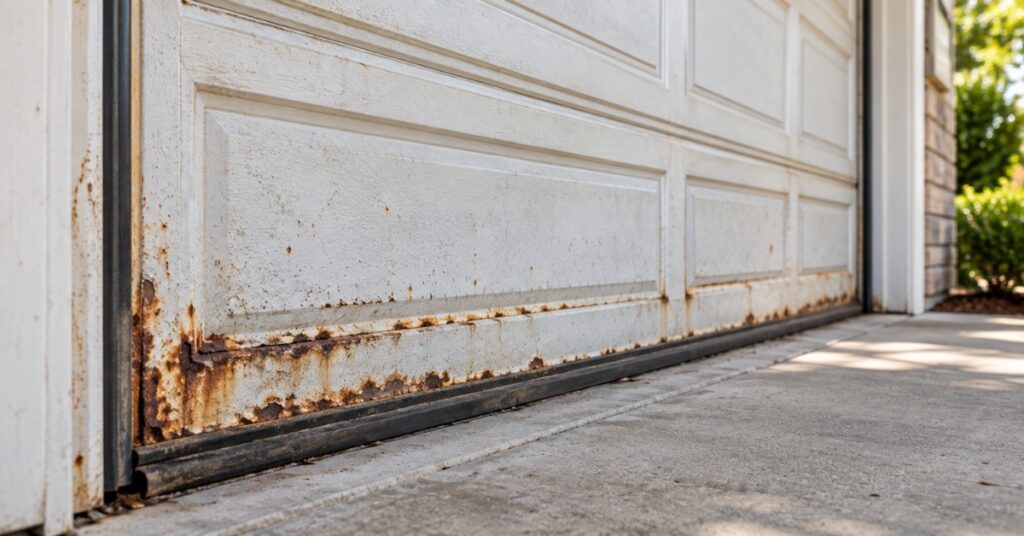
A small rust spot and widespread corrosion are very different situations. Surface rust limited to one section may be manageable, depending on the material and severity. Corrosion appearing across multiple sections can indicate that the door is deteriorating more broadly.
Rust deserves particular attention around panel edges, seams, hinges, and lower sections where moisture exposure may be greater. If metal has become thin, flaky, perforated, or structurally weak, cosmetic repairs will not restore the lost material.
Replacing one rusty section while leaving several others close to the same condition may offer limited value.
Why the Age of the Garage Door Matters
Age alone does not determine whether a garage door needs replacement. A well-maintained older door can still operate reliably. However, age becomes more important when it appears alongside panel damage and other signs of wear.
Older doors may present challenges such as discontinued panel designs, faded finishes, deteriorating seals, worn hardware, or outdated construction. Even if a matching section can be found, another component may require attention soon afterward.
Look beyond the damaged panel for aging door signs such as hardened or cracked weather seals, corrosion, increasing gaps, repeated hardware problems, or changes in how smoothly the door operates.
That wider view can help homeowners avoid treating each symptom as a completely separate issue when several problems are related to the overall age and condition of the door.
Cosmetic Damage Versus Structural Damage
Not every dent carries the same consequences. Understanding whether damage is cosmetic or structural can make the repair-versus-replacement discussion much clearer.
Cosmetic Dents
A shallow dent in the middle of a panel may have little effect on the door’s operation. If the panel remains straight along its edges and moves normally, the concern may primarily be appearance.
Cosmetic damage can still matter, especially when it is highly visible from the street. However, homeowners have more flexibility when the door continues to function correctly.
Cracks, Creases, and Bent Edges
A deep crease or bend can weaken a section differently than a shallow dent. Damage near hinges, reinforcement points, or panel edges can be especially important because those areas help sections connect and move together.
Cracking may also worsen as the door repeatedly bends while opening and closing. What starts as a localized problem can become more significant with continued use.
Damage Following a Vehicle Impact
Vehicle impacts deserve a more complete inspection, even if the visible damage appears concentrated in one area.
The force may affect multiple panels, tracks, rollers, hinges, or attachment points. A door can sometimes continue operating despite being distorted, but continued movement may increase strain on damaged components.
If a garage door has been hit hard enough to bend it substantially or knock it out of alignment, avoid repeatedly operating it until the system has been assessed.
Matching a Replacement Panel Can Be Harder Than Expected
Homeowners sometimes assume that any panel with similar dimensions can be installed in an existing door. Garage door sections are more specific than that.
Panel profile, thickness, construction, insulation, hinge locations, and manufacturer specifications can affect compatibility. A panel that looks similar from a distance may not integrate properly with the existing sections.
Appearance is another consideration. Manufacturers change colors, textures, window designs, and panel patterns over time. An older model may no longer have an exact replacement available.
If no appropriate match exists, installing a completely new door through professional garage door installation may provide a more consistent result than trying to adapt mismatched sections.
Check More Than the Panels Before Deciding
The visible panel damage is only one part of the garage door system. Before choosing a repair, it is useful to consider the condition of related components.
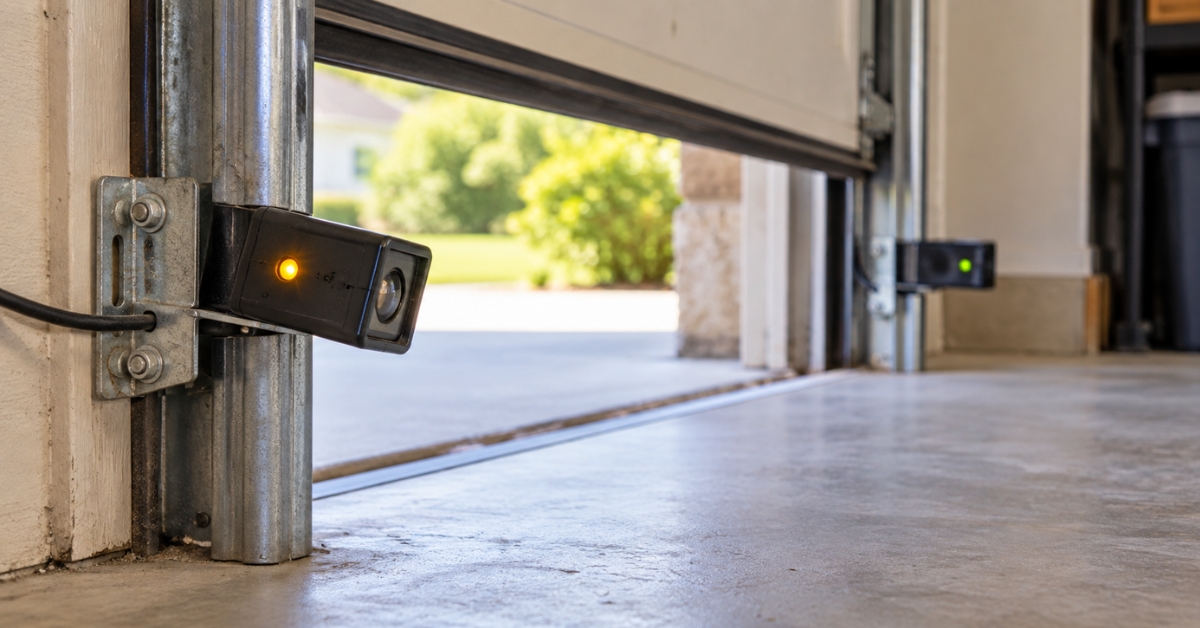
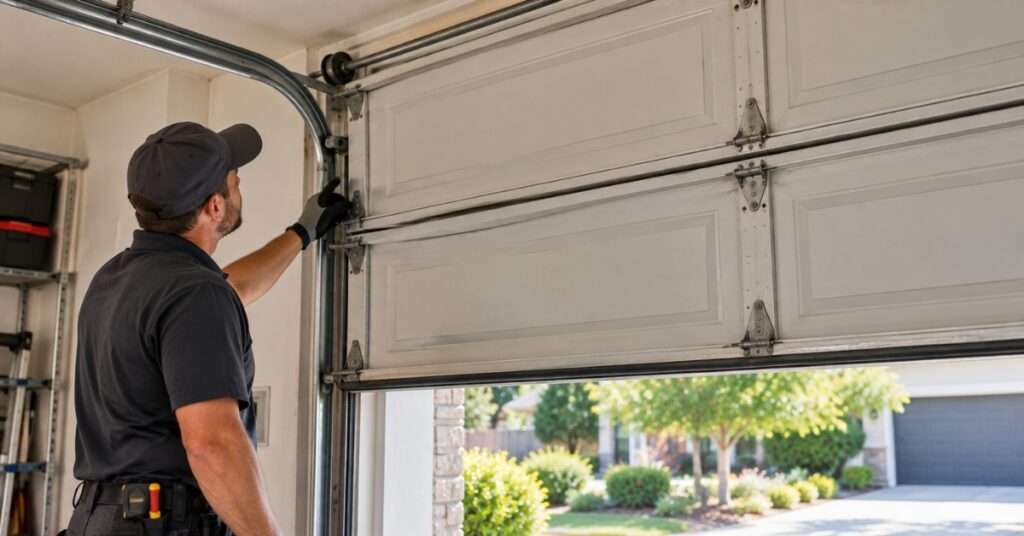
Tracks should remain properly positioned and free of significant deformation. Hinges should be secure and move correctly. Rollers should travel smoothly, and panels should remain aligned as the door moves.
Weather sealing also offers clues about overall condition. A deteriorated bottom seal or cracked perimeter weather stripping does not necessarily mean a door requires replacement, but several age-related issues appearing together can suggest that the system deserves a broader evaluation.
This is why the decision is rarely as simple as counting dents.
Questions to Ask Before Choosing Panel or Full Door Replacement
Homeowners deciding between sectional repair and full replacement can start with a few practical questions:
- Is the damage limited to one panel?
- Are neighboring panels straight and structurally sound?
- Does the door still open and close smoothly?
- Are the tracks, rollers, and hinges in good condition?
- Is a compatible replacement section still available?
- Will the new panel reasonably match the existing door?
- Is rust or deterioration appearing elsewhere?
- Has the door required several recent repairs?
- Are seals and other components also showing significant age?
- Would replacing several damaged sections address the underlying problem, or only part of it?
The answers help establish whether the damage is a contained repair issue or one part of a door that is deteriorating as a whole.
FAQ About Garage Door Panel Replacement
Can you replace just one panel on a garage door?
Yes, in many cases. If one section is damaged while the rest of the door remains structurally sound, a compatible individual panel may be replaceable. Availability depends on the door’s manufacturer, model, size, style, and age.
Does a dented garage door panel always need to be replaced?
No. Some shallow dents are primarily cosmetic and may not interfere with operation. Deep creases, bent edges, cracks, or damage near hinges can be more significant and should be evaluated for structural effects.
Can I replace two damaged garage door panels instead of the whole door?
Potentially. However, once multiple sections are damaged, it becomes important to compare the condition and scope of both options. Additional damage to tracks, hinges, or other sections may influence the decision.
What if a replacement panel does not match my garage door?
An exact match may be difficult for older, faded, or discontinued doors. Differences in color, texture, panel design, construction, or dimensions can make individual replacement less practical. Compatibility should be confirmed before a replacement panel is selected.
Does rust mean I need a new garage door?
Not necessarily. Localized surface rust may not require full replacement. Widespread corrosion, weakened metal, holes, or rust affecting several sections can indicate more extensive deterioration.
Should I operate my garage door after a panel has been badly bent?
If the panel is severely bent, the door is crooked, or movement has become rough or uneven, it is safer to avoid unnecessary operation until the damage is inspected. Continued movement can place additional strain on connected hardware.
Make the Decision Based on the Whole Door
Garage door panel replacement can be an effective solution when damage is genuinely isolated, the remaining sections are healthy, and a compatible replacement is available. A single damaged panel does not automatically make the entire door unusable.
The decision changes when multiple panels are compromised, structural alignment is affected, corrosion is spreading, matching sections are unavailable, or the rest of the door is already showing significant wear. Looking at the complete system helps determine whether replacing one section addresses the real problem or simply postpones a larger repair.
A professional inspection can help identify damage beyond the obvious dent or crack and provide a clearer picture of the door’s overall condition before repairs move forward.
Previous Post
Why Are Air, Water, or Debris Getting Into Your Garage?