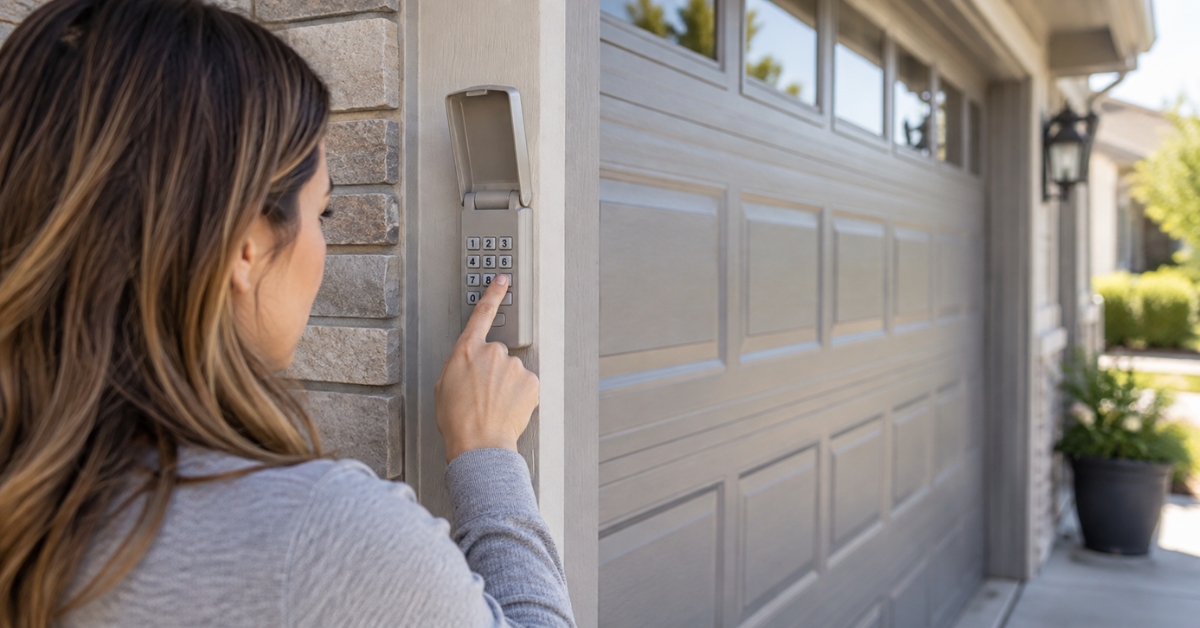
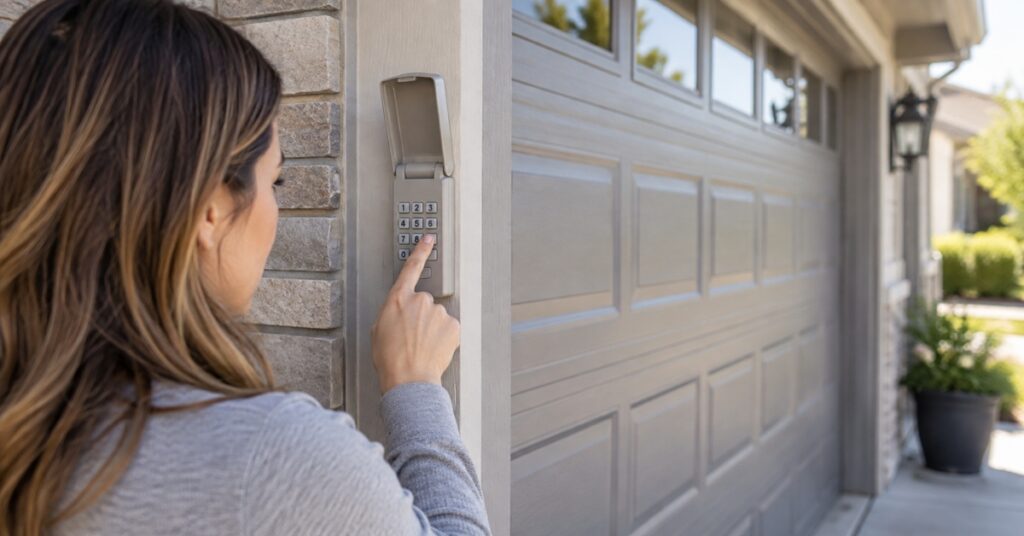
A garage door keypad can seem perfectly fine one day and refuse to cooperate the next. You enter the same code you have used dozens of times, press the button, and nothing happens. Maybe the keypad flashes. Maybe it stays completely dark. Maybe the garage door works from the wall control and remote, but the keypad suddenly seems to have forgotten how to do its job.
When this happens, resetting the entire garage door opener may feel like the fastest solution. It is not always the best first move. A keypad can stop working because of something as simple as a weak battery or worn button, while resetting the opener can erase programmed devices and create additional troubleshooting work. Checking a few common causes first can help you determine whether the problem is isolated to the keypad or connected to the opener itself.
Start With the Simplest Keypad Problems
Before changing programming or resetting the opener, determine whether the keypad itself has power and is responding normally. This helps narrow down the problem without changing settings that may already be correct.
If your garage door keypad remains unresponsive after basic troubleshooting, the issue may involve the keypad, opener receiver, programming, or another component of the garage door opener system.
Replace the Battery First
A weak or dead battery is one of the easiest problems to rule out.
Depending on the keypad, a failing battery may not cause the unit to stop working all at once. The keypad might illuminate but fail to send a reliable signal. You may notice that you need to enter the PIN more than once, press the buttons harder, or stand at the keypad longer than usual before the door responds.
Replace the battery with the correct new battery and test the keypad again. Make sure the battery contacts are clean and that the battery is seated correctly.
If the keypad immediately begins working normally, there is usually no reason to reset or reprogram the entire opener.
Look for Worn or Sticking Buttons
Outdoor keypads deal with years of repeated use along with heat, cold, moisture, dirt, and changing weather conditions. Eventually, individual buttons can wear down.
Pay attention to how the keypad responds as you enter your PIN. Does one number feel different? Does a particular button stick or fail to register? If your code contains a heavily worn number, the keypad may be receiving an incomplete PIN even though you are entering the correct sequence.
Visible wear can also create a security concern because commonly used numbers may become easier to identify.
Check Whether the Opener Still Works Normally
The next step is determining whether you actually have a keypad problem.
Try operating the garage door from the interior wall control. Then test a programmed handheld remote if one is available.
If the wall control and remote both operate the door normally, the problem is more likely limited to the keypad or its programming. If multiple controls suddenly stop working, the opener itself deserves more attention.
This distinction matters because troubleshooting only the keypad will not fix a larger power, receiver, wiring, or opener problem.
If you have a LiftMaster system, identifying the specific opener and compatible accessories can also help determine which programming procedure and replacement components apply to your setup.
Make Sure the Opener Has Not Been Locked Out
Many garage door openers have a lock or vacation feature that can disable wireless controls.
Someone may have activated this setting intentionally before leaving home, or it may have been turned on accidentally from the wall control. Depending on the system, the wall-mounted control may continue operating the door while remotes or other wireless accessories stop responding.
That combination can make a working keypad appear defective.
Check the wall control and opener manual for any lock indicators or lockout functions. If wireless controls stopped working at roughly the same time, checking this setting should happen before you erase any programming.

Consider Whether the Keypad Lost Its Programming
A keypad can have power, accept button presses, and still fail to operate the door because its connection to the opener has been lost.
This can happen after electrical interruptions, opener service, component replacement, programming changes, or other adjustments to the system. It may also occur when someone attempts to add or remove another remote or accessory.
If everything else works and the keypad appears physically functional, reprogramming only the keypad may make more sense than resetting the complete system.
Homeowners dealing with opener programming problems should first identify which device has actually lost its connection. Changing every programmed setting when only one accessory has stopped responding can turn a small problem into several new ones.
When Reprogramming the Keypad Makes Sense
Reprogramming is a reasonable next step when the battery is good, the keypad responds to button presses, the opener works from other controls, and there are no obvious lockout settings preventing wireless operation.
The exact procedure depends on the opener and keypad model. Different generations of openers may use different learn buttons, programming sequences, or compatibility requirements.
For homeowners working with that specific setup, this video shows how to program a LiftMaster 6580L garage door keypad. Following model-specific instructions is preferable to trying random programming sequences that may not apply to your equipment.
Reprogram One Device Before Resetting Everything
If one keypad stopped working but two remotes still operate normally, that is useful diagnostic information.
It suggests that the opener is still receiving wireless commands and that the failure may be limited to the keypad. In that situation, reprogramming the keypad alone preserves the working connections you already have.
A full reset should generally be considered only after you understand what the reset will erase and why it is necessary.
Think About Recent Power Interruptions
Garage door opener problems sometimes begin after a power outage, electrical work, a tripped breaker, or the opener being unplugged.
Start by confirming that the opener has power and operates correctly from the wall control. If the opener has backup power, indicator lights, or diagnostic codes, check those as well.
A brief interruption does not automatically mean the system needs to be completely reset. If the opener operates correctly but the keypad does not, continue troubleshooting the keypad and its programming first.
If multiple accessories behave differently after power is restored, the pattern can help identify whether the issue is related to programming, the receiver, or another opener component.
Make Sure the Keypad Is Compatible With the Opener
Not every wireless keypad works with every garage door opener.
This becomes especially important when a keypad has recently been replaced or when a home has an older opener paired with a newer accessory. Brand name alone does not guarantee compatibility. Model generation, frequency, learn-button configuration, and wireless technology can all matter.
If a newly installed keypad has never worked reliably, verify compatibility before repeatedly attempting to program it.
The same applies when replacing an older keypad that worked for many years. A current replacement may require a different setup procedure or may not support the older opener at all.
Weather and Location Can Affect Keypad Performance
Because garage door keypads are installed outdoors, environmental conditions can sometimes contribute to intermittent problems.
Moisture around the keypad, dirt beneath buttons, corrosion at battery contacts, and extreme temperatures may interfere with normal operation. A keypad that works inconsistently after rain or during temperature changes deserves a closer physical inspection.
Avoid aggressively spraying cleaners or water around the keypad. Instead, inspect the housing for obvious damage, make sure the battery compartment is dry, and clean the exterior according to the manufacturer’s recommendations.
If water has entered the keypad housing or internal components have deteriorated, replacement may be more practical than repeated reprogramming.
When the Problem May Be the Garage Door Opener
A nonworking keypad is not always a keypad failure.
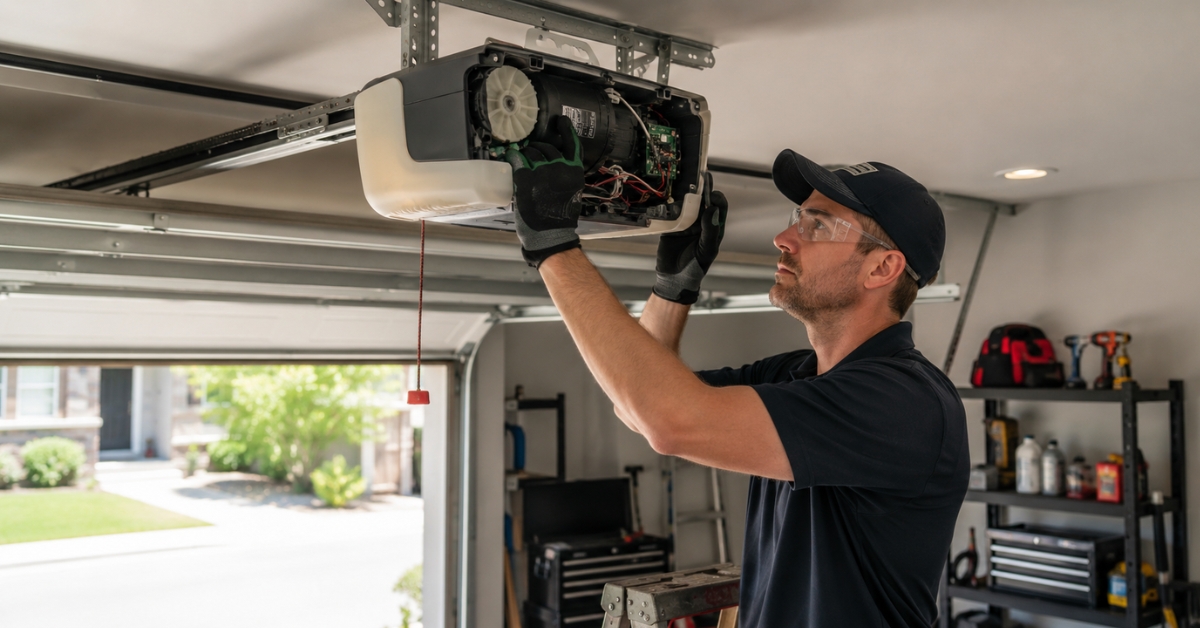
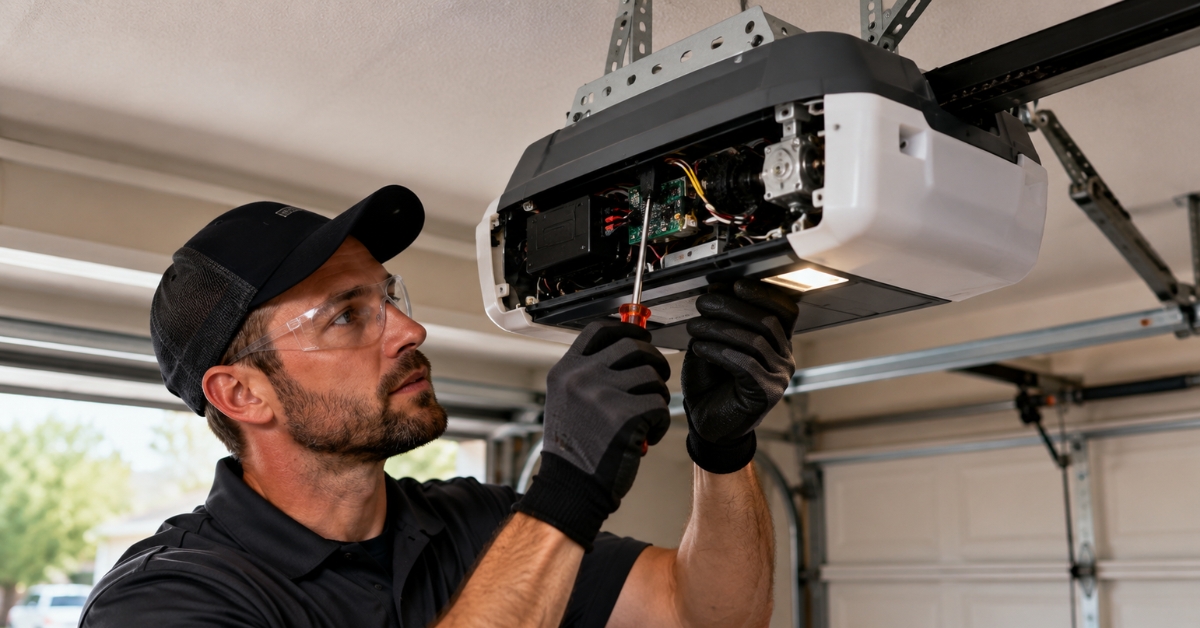
If the opener also struggles to respond to remotes, operates intermittently, displays diagnostic lights, or behaves unpredictably from multiple controls, the problem may be farther upstream.
Possible issues can involve the receiver, logic board, electrical connections, power supply, or other opener components. The exact cause depends on the opener and the symptoms occurring alongside the keypad failure.
This is why testing several controls before resetting anything is useful. You are not simply trying to make the keypad work. You are trying to identify which part of the system is no longer communicating correctly.
Pay Attention to Patterns
Troubleshooting becomes easier when you look at what still works.
If only the keypad fails, investigate the keypad first. If the keypad and remotes fail but the wall button works, investigate wireless controls, lock settings, and receiver-related issues. If nothing operates the opener, start with power and the opener itself.
Those patterns provide much more information than repeatedly entering a PIN or immediately erasing programmed settings.
Why Resetting Everything Can Create More Confusion
A complete reset can be useful in the right circumstances, but it should not be treated as the universal first step.
Depending on the opener, clearing its programming may remove remotes, keypads, vehicle controls, and other paired accessories. You may solve the original keypad issue only to discover that several other devices now need to be programmed again.
Resetting can also make diagnosis harder. Once all previous connections have been erased, you lose some of the evidence that could have helped identify whether the original problem involved one device or the opener.
Before performing a complete reset, know what information will be erased and have the correct programming instructions available for every device you need to reconnect.
A Better Order for Troubleshooting
When a keypad suddenly stops working, a methodical approach can save time.
Start with the battery and physical condition of the keypad. Test the wall control and remotes. Check for lockout settings. Consider whether there was a recent power interruption or programming change. Verify compatibility if the keypad is new or recently replaced.
If the keypad still appears functional and the rest of the opener system works correctly, try the appropriate keypad programming procedure.
Only move toward a larger reset when there is a clear reason to believe the existing programming needs to be cleared.
When Professional Troubleshooting Makes Sense
Some keypad problems are solved in minutes with a fresh battery or correct programming sequence. Others are symptoms of a larger opener issue.
Professional diagnosis may be appropriate when several wireless controls have stopped working, the opener behaves intermittently, programming repeatedly fails, the keypad is confirmed compatible but will not connect, or the opener displays unusual diagnostic indicators.
It can also make sense when you are unsure what a reset will erase. Identifying the actual fault before changing the entire system can prevent unnecessary replacement of working components.
Frequently Asked Questions
Why did my garage door keypad suddenly stop working?
Common causes include a dead or weak battery, lost programming, an activated lock setting, worn keypad buttons, weather-related damage, compatibility issues, or a problem with the opener itself. Testing other garage door controls can help narrow down the cause.
Should I reset my garage door opener if the keypad does not work?
Not necessarily. If the wall control and remotes still work, start by checking the keypad battery, buttons, programming, and compatibility. A complete reset may erase other devices that are currently working.
Can a garage door keypad light up with a weak battery?
Yes. A battery can sometimes provide enough power for lights or basic keypad activity without providing reliable operation. Replacing the battery is a simple first troubleshooting step.
Why does my garage door remote work but the keypad does not?
If the remote works normally, the opener is still responding to at least one wireless device. The keypad may have lost its programming, have a weak battery, contain worn buttons, or have another keypad-specific problem.
Can a power outage cause a garage door keypad to stop working?
It can contribute to programming or opener issues in some systems. After a power interruption, confirm that the opener works from the wall control and test other wireless devices before assuming the keypad needs a full reset.
How do I know if my keypad needs to be replaced?
Replacement may be appropriate if the keypad has damaged or unresponsive buttons, moisture intrusion, corroded contacts, recurring failures despite a fresh battery and correct programming, or confirmed incompatibility with the opener.
Is it better to reprogram the keypad or reset the opener?
If the opener and other controls work normally, reprogramming the individual keypad is usually the more targeted troubleshooting step. A complete reset is more disruptive because it may erase other programmed accessories.
Fix the Cause Before Erasing the Settings
A garage door keypad that stops responding does not automatically mean the entire opener needs to be reset. The battery, keypad condition, lock settings, programming, compatibility, and opener operation can each provide clues about what actually went wrong.
Starting with simple checks and changing one thing at a time makes it easier to isolate the problem. If reprogramming is necessary, using instructions for the specific opener and keypad is safer than clearing every setting immediately. When multiple controls fail or programming problems continue, the issue may require a closer look at the opener system itself.
Previous Post
The Warning Signs a Spring May Be Close to Breaking